

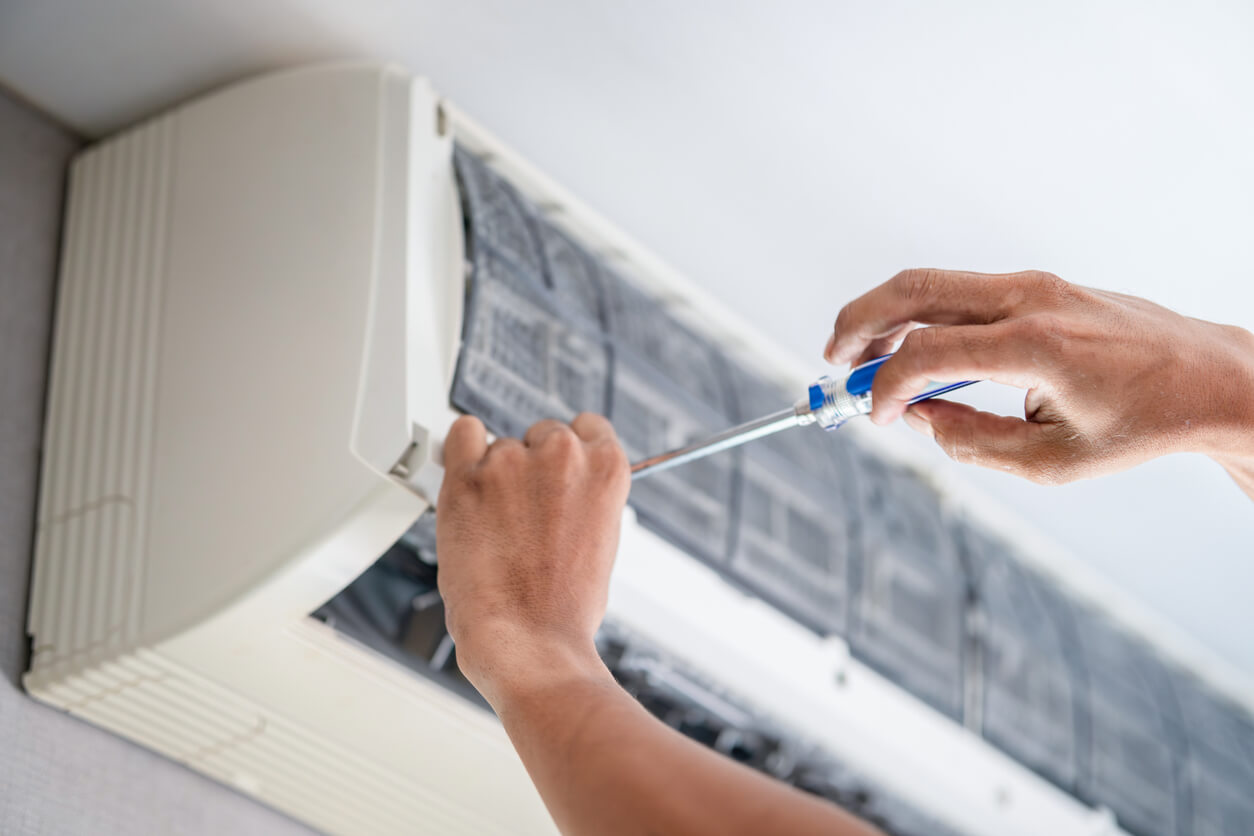
The Ultimate Spring HVAC Maintenance Checklist
When winter finally loosens its grip in West Michigan, most homeowners are ready to crack a window, hear the birds again, and stop thinking about their furnace for a while. But spring is exactly when your heating and cooling equipment deserves attention. Before the first muggy afternoon hits Shelbyville, Grand Rapids, Caledonia, or Wayland, a little preparation can make the difference between a comfortable summer and a sweaty emergency service call.
That is why HVAC spring maintenance matters so much. Your system has just spent months supporting your heating system through cold weather, and now it is about to pivot into the cooling season. A proper spring tune up helps your HVAC system run efficiently, improves air quality, catches wear before it turns into costly repairs, and gives you a better shot at avoiding those ugly mid-July breakdowns that always seem to happen on the hottest day of the year.
Why HVAC Spring Maintenance Should Happen Before Summer
Think of spring maintenance like changing the oil in a truck before a long road trip. You could skip it and hope for the best, but if something goes wrong halfway there, the problem gets expensive fast. Your HVAC system works the same way. Months of winter use can leave components dusty, strained, and less prepared for heavy summer demand.
Scheduling HVAC spring maintenance before temperatures rise gives you time to fix small issues while your home is still comfortable. It also helps your air conditioner and ac unit transition into cooling mode without fighting dirty parts, weak airflow, or hidden mechanical issues. In a Michigan climate where one week feels like March and the next feels like July, being proactive just makes more sense.
Start With a Visual Inspection of the Entire HVAC System
Before you touch anything, take a slow walk around your equipment. Look at the indoor unit, the outdoor unit, nearby vents, and your thermostat. You are not trying to become a technician overnight. You are simply looking for obvious signs that something is off.
Check for rust, loose panels, water stains, dirt buildup, and anything that looks damaged or out of place. If your system made unusual noises last year, now is the time to note them. A visual inspection will not replace professional HVAC service, but it can help you catch clues early and make your maintenance checklist more complete.
Change Air Filters and Check for Dust, Pet Hair, and Blockages
If there is one task homeowners should never ignore, it is the filter. A clogged air filter forces your HVAC system to work harder, restricts air flow, and can drag down both comfort and system efficiency. It can also contribute to poor indoor air quality, especially if your home has pets, allergy sufferers, or a lot of spring pollen drifting in.
Open the filter compartment and inspect the air filter. If it is gray, fuzzy, or packed with pet hair, it is time to replace it. Many homeowners simply change air filters every 1 to 3 months, but spring is a must-do checkpoint. If you are unsure which size or MERV rating you need, a local hardware store can often help, or your professional HVAC provider can point you in the right direction.
Check Thermostat Settings Before the First Hot Day
Your thermostat is the brain of the operation, and spring is a smart time to make sure that brain is not confused. Check thermostat settings and switch the system from heating to cooling if needed. Make sure schedules still match your household routine, especially if work, school, or sleep patterns have changed.
This is also a good time to review thermostat settings for energy savings. If your home feels too warm or too cold compared to the number on the screen, you may need thermostat calibration. Incorrect readings can cause the system running time to increase, leading to higher energy usage, uneven comfort, and unnecessary strain on the equipment.
Clear Debris Around the Outdoor Unit
Your outdoor unit needs breathing room. Over the fall and winter, leaves, twigs, seed pods, and windblown junk tend to collect around it. By spring, that clutter can choke airflow and reduce cooling efficiency before summer even starts.
Take time to clear debris from around the outdoor unit. Trim back grass and shrubs, remove sticks and leaves, and leave at least two feet of open space around the cabinet if possible. Debris may seem harmless, but debris buildup around an ac unit can trap heat, force longer cycles, and make the air conditioner work harder than it should.
Inspect the Condenser Coils and Fan Blades
The outside portion of your air conditioning system takes a beating in Michigan weather. Dirt, cottonwood fluff, and yard debris can coat the condenser, while the fan blades can collect grime or show signs of wear. Dirty components can interfere with heat transfer and lower cooling efficiency.
If the power is off, inspect the cabinet for dirty condenser coils, bent fins, and visible damage. Gently rinse away surface dirt if appropriate for your equipment, but avoid aggressive cleaning methods that can damage the coils. If the buildup is heavy, professional service is the better route. This part of your maintenance checklist matters because neglected coils can quietly increase energy use and lead to reduced efficiency all summer long.
Clean the Condensate Drain Line and Condensate Drain
One of the most overlooked spring jobs is cleaning the condensate drain line. As your air conditioner removes humidity from the air, moisture has to go somewhere. That water flows through the drain line and out of the home. When algae, sludge, or debris block the line, you can end up with water buildup, musty smells, or even water damage.
Inspect the condensate drain line and the condensate drain pan for signs of standing water. If you see gunk, moisture, or overflow, the line may be partially clogged. Keeping the drain line clear helps the system run cleanly and protects your home from messes that start small and turn into headaches. This is one of the simplest items on any spring maintenance checklist, yet it is one of the most important.
Open Indoor Vents and Make Sure Airflow Is Strong
Walk through your home and check all indoor vents. Make sure they are open, unobstructed, and not hidden behind furniture, rugs, or storage bins. Closed or blocked vents can throw off pressure inside the duct system and make it harder to ensure proper airflow where you need it most.
This step also helps reveal whether your HVAC system is distributing cold air evenly. Weak airflow from certain rooms can point to dirty ducts, damper issues, blower problems, or leaks in the duct network. If some spaces feel stuffy while others feel like a walk-in cooler, it may be time for a ductwork inspection.
Don’t Ignore Indoor Air Quality in Spring
Spring does not just bring warmer days. It also brings pollen, dust, mold spores, and extra humidity. That is why indoor air quality should be part of every homeowner’s spring plan. A clean, properly maintained system does more than heat and cool; it also supports healthier indoor air.
Replacing the air filter, cleaning around vents, and keeping the system running smoothly all contribute to better air quality. If your home still feels dusty or damp, or if allergies flare up indoors, ask about options for improving indoor air quality. Depending on your home, that could include duct cleaning, humidity control, filtration upgrades, or other indoor air solutions.
Inspect the Blower Motor and Other Moving Parts
Inside your equipment, the blower motor plays a major role in pushing conditioned air through the home. If the blower motor is dirty, worn, or struggling, airflow suffers. That can affect comfort in every room and make the system work harder than necessary.
A service visit can include checking the moving parts, motor performance, and overall proper operation of the indoor equipment. If your system has been rattling, humming strangely, or cycling longer than usual, this is one area worth a closer look. A failing blower rarely fixes itself, and catching it during spring maintenance can help prevent unexpected failures once summer heat arrives.
Check Refrigerant Levels and Watch for Refrigerant Leaks
Your ac unit depends on the right refrigerant levels to cool effectively. If refrigerant is low, the air conditioner may run longer, cool less, and drive up energy bills. In some cases, homeowners notice ice on the line, weak cooling, or rooms that never seem to reach the thermostat setting.
Low refrigerant usually means there may be refrigerant leaks, and that is not a DIY project. A trained HVAC technician can test refrigerant levels, inspect the coil and lines, and determine whether the cooling system is operating correctly. This step is essential for annual HVAC maintenance, especially if your system struggled last summer.
Examine Electrical Connections and Key Components
Spring is also the right time to inspect the parts you cannot safely guess about. Loose electrical connections, worn wires, or failing capacitors can create performance issues and safety concerns. These are the kinds of problems that often hide until the first serious heat wave.
During a professional tune up, a technician can inspect electrical components, contactors, relays, and other key components that support proper operation. If your unit hesitates to start, shuts off unexpectedly, or seems inconsistent, those symptoms may be tied to electrical wear. This is one of the reasons routine HVAC maintenance helps prevent unexpected breakdowns.
Remember the Heating System and Heat Pump Too
Spring maintenance is usually focused on air conditioning, but do not forget the heating system. If your home uses a heat pump, then your equipment may be handling both heating and cooling, which makes seasonal care even more important. A heat pump does not get a true offseason; it works nearly year-round.
Even if you use a furnace, spring is a good time to inspect the broader HVAC setup and note any issues from winter. Strange cycling, dust, odd smells, or concerns involving the heat exchanger should be addressed before they linger into next season. Good HVAC seasonal maintenance means looking at the whole picture, not just the parts you need this month.
Add Ductwork Inspection to Your Maintenance Checklist
Ducts are easy to forget because they are hidden, but they have a huge effect on comfort and efficiency. Leaky or dirty ducts can waste conditioned air, spread dust, and make rooms feel uneven. If your home has hot spots, cold spots, or persistent dust, a ductwork inspection may be overdue.
This part of the maintenance checklist supports both comfort and indoor air quality. Leaks can pull in unconditioned attic or crawlspace air, while dirty ducts can circulate contaminants through the home. For homeowners serious about improving indoor air quality, ductwork deserves more attention than it usually gets.
What Homeowners Can Handle vs. What a Professional HVAC Team Should Do
There are several HVAC maintenance tasks most homeowners can manage on their own. You can replace the air filter, remove dust from around indoor equipment, clear leaves from the outdoor unit, rinse away light dirt, open vents, and monitor thermostat performance. These simple actions help the system running smoothly and support better efficiency.
But a complete spring tune up should still include professional HVAC service. A trained technician can inspect the blower motor, test thermostat calibration, verify refrigerant levels, check the condensate drain line, inspect electrical connections, and look for wear that could lead to costly repairs. In other words, DIY is useful, but full annual HVAC maintenance goes deeper.
How Spring Maintenance Helps Save Money Over Time
It is easy to view maintenance as just another seasonal chore. But in reality, regular HVAC maintenance is one of the simplest ways to save money. A clean system does not have to fight through clogged filters, blocked airflow, or dirty coils. That means lower strain, better performance, and less wasted energy.
Over time, that can translate into lower energy costs, fewer repairs, and a longer equipment lifespan. More importantly, it reduces the odds of emergency calls during the hottest stretch of the cooling season. Preventive care may not feel dramatic, but it is often what keeps your system at peak performance when your family needs it most.
A Simple HVAC Spring Maintenance Checklist for Homeowners
If you want a quick version of the essentials, here is a practical maintenance checklist to follow each spring. Start by replacing the air filter, checking vents, and making sure the thermostat is set correctly. Then inspect the outdoor unit, clear debris, and look for visible signs of damage or dirt.
Next, inspect the condensate drain, monitor the drain line for clogs, and pay attention to any odd sounds, weak airflow, or signs the system is not working properly. Finish by scheduling a professional tune up to inspect the parts you cannot safely or accurately assess on your own. This kind of seasonal maintenance helps your equipment shift into summer with fewer surprises.
Schedule HVAC Spring Maintenance Before the Rush
Once the first hot spell hits, service calendars fill up fast. Homeowners who wait until their air conditioner stops working often end up dealing with delays, discomfort, and higher stress. Getting ahead of the rush gives you more flexibility and a better chance to address issues while they are still minor.
For homeowners in Shelbyville and surrounding West Michigan communities, HVAC spring maintenance is not just a box to check. It is a smart way to protect comfort, support healthier indoor air quality, reduce energy bills, and keep your HVAC units ready for summer. If your system needs a spring tune up, ACR Heating & Cooling can help you get prepared before the season is in full swing.