

The Importance of Proper Insulation for HVAC Efficiency
If your heating and cooling system is the engine of indoor comfort, insulation is the weather seal that keeps all that hard work from leaking away. You can have a high-performance furnace, a quality air conditioner, and a smart thermostat on the wall, but if conditioned air is escaping through poorly insulated ductwork, attics, crawl spaces, or walls, your HVAC system ends up doing the same job twice.
That is why hvac insulation matters so much. It protects the air moving through your system, helps control temperature loss, reduces strain on equipment, and supports better indoor comfort in every season. For homeowners and businesses in Shelbyville, Grand Rapids, Hastings, Wayland, and surrounding West Michigan communities, proper insulation can make the difference between a system that hums along efficiently and one that runs like it is always trying to catch up.
At ACR Heating & Cooling, we see this firsthand. Many comfort issues that seem like equipment problems are really insulation and airflow problems in disguise. Rooms that never quite warm up, cooling that fades before it reaches the far end of the house, noisy ducts, excess humidity, and rising utility bills often point back to the same weak link: poor or aging insulation.
Why HVAC Insulation Matters More Than Most People Realize
Most people think about insulation as something hidden in the attic or tucked behind walls. That is part of the picture, but hvac insulation also includes the materials used around ducts, air handlers, and other system components to preserve thermal control and improve overall performance.
Without proper insulation, heated or cooled air can lose temperature as it travels through your ductwork. In winter, warm air moving through unconditioned spaces like basements, garages, or attics can cool off before it ever reaches the room. In summer, the opposite happens. Cool air gains heat on the way to the vents. The result is wasted energy, uneven temperatures, and a system that has to run longer than it should.
That longer run time affects more than your utility bill. It can shorten equipment life, increase wear on moving parts, and reduce the overall energy efficiency of your home or building. Good insulation helps your system deliver what it is already producing, instead of letting comfort evaporate into dead space.
HVAC Insulation and Energy Efficiency Go Hand in Hand
A properly insulated HVAC system is one of the most practical ways to improve energy efficiency without replacing every piece of equipment. Even high-end systems lose their edge when air travels through unprotected ducts or when building materials around the system fail to support thermal control.
Think of it like carrying a hot cup of coffee across a snowy parking lot. If the lid is loose and the cup has no sleeve, you are going to lose heat fast. Your HVAC system faces a similar problem when ductwork runs through cold or hot spaces without enough thermal protection.
This is where hvac insulation becomes essential. It helps maintain the intended air temperature from the unit to the room. It also reduces condensation, especially around cooling components, which can help prevent moisture damage, mold growth, and that clammy feeling many homeowners notice during humid Michigan summers.
For residential and commercial applications, proper insulation can also contribute to more predictable comfort from room to room. That means fewer hot spots, fewer cold corners, and less thermostat fiddling throughout the day.
Common Types of HVAC Insulation
There is no single insulation material that fits every system. Different applications call for different products, installation methods, and performance goals. In the HVAC industry, several materials are commonly used depending on the system design, the location, and whether the focus is temperature control, sound reduction, or moisture resistance.
One of the most common options is fiberglass insulation. This material is widely used because it offers solid thermal resistance and can be adapted for several HVAC applications. Fiberglass may be used in external wraps, liners, and preformed duct materials. It is often chosen because it balances cost, durability, and reliable performance.
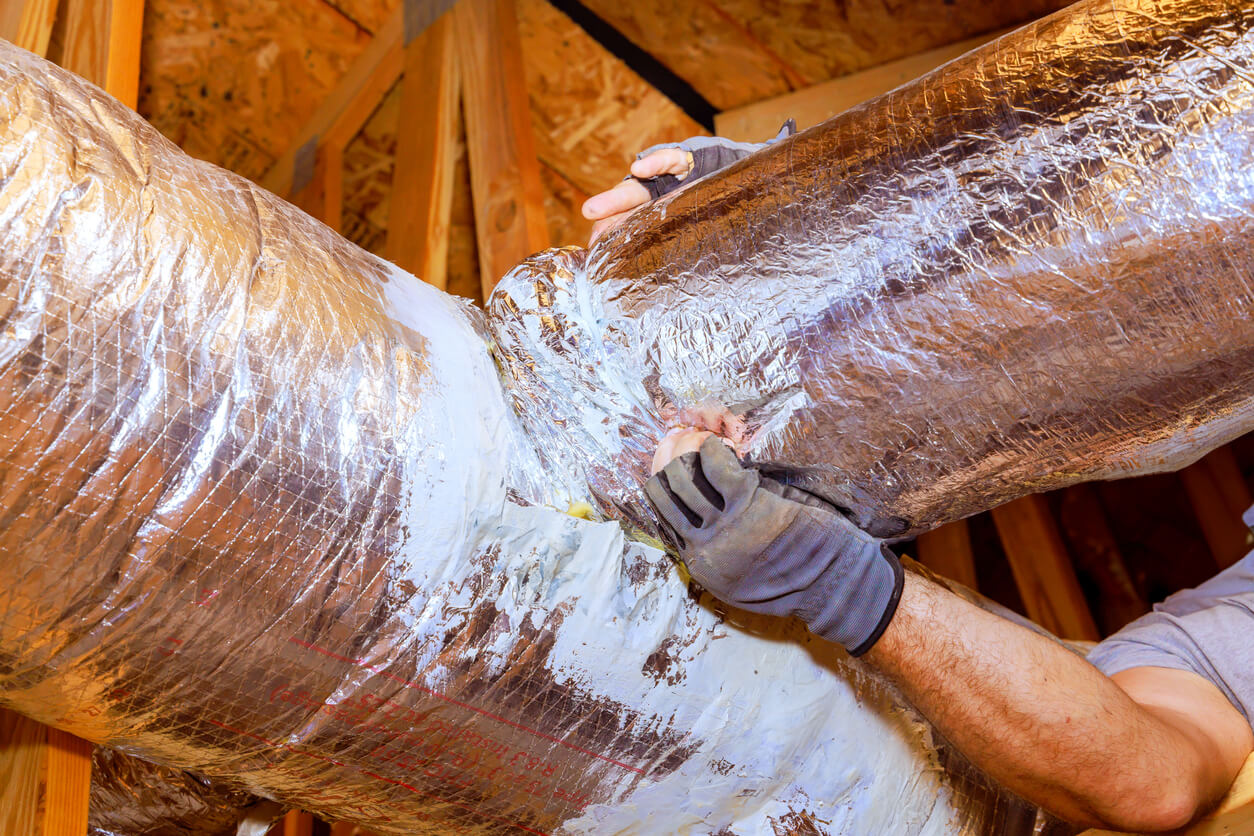
Another option is duct wrap, which is exactly what it sounds like: insulation wrapped around the outside of ducts. Duct wrap is often used on exposed sheet metal ducts in attics, crawl spaces, mechanical rooms, and unfinished basements. When properly installed and sealed, duct wrap helps limit heat transfer and can reduce condensation on cold ducts.
A third common material is duct board. Unlike wrap, duct board is a rigid fiberglass product used to fabricate ducts themselves. Duct board combines air distribution and insulation into one product, making it a useful choice in certain residential and light commercial applications. Because duct board has built-in insulating value, it can support both temperature control and sound reduction.
Understanding Duct Wrap in HVAC Systems
When people hear about duct wrap, they sometimes assume it is just a finishing layer or a cosmetic add-on. It is not. Duct wrap is a practical insulation solution that helps exposed ducts hold their temperature as air moves through them.
This matters most when ducts travel through spaces that are not climate controlled. In Michigan, attics can be brutally hot in summer and sharply cold in winter. Crawl spaces and garages come with their own temperature swings. Without duct wrap, the air inside those ducts is constantly fighting the surrounding environment.
Quality duct wrap is usually made with fiberglass and an exterior facing that helps resist moisture. The seams are sealed with approved tape, and the installation has to be done carefully. Loose edges, compressed material, or poor seam sealing can undercut the whole job. Good insulation is not just about the material itself. It is also about how well it is installed.
For many contractors, duct wrap is a dependable option because it works across a wide range of HVAC applications. It is especially useful when existing sheet metal ducts are still structurally sound but need better thermal protection.
What Duct Board Brings to the Table
Duct board is another important part of the hvac insulation conversation. Instead of wrapping existing metal ducts, duct board is used to build insulated ducts from the start. It is made from rigid fiberglass panels and is designed for air distribution systems where both insulation and acoustical control matter.
One reason duct board remains popular is because it can help reduce noise. Air moving through metal ducts can sometimes sound like a drumline in the ceiling. Duct board helps soften that effect. In homes where comfort includes quiet operation, that matters more than people expect.
Because duct board provides both structure and insulation, it is often used in residential and light commercial applications where efficiency and sound control are both priorities. It is not right for every location, and like any HVAC material, it has to be selected with the system design in mind. Still, when used correctly, duct board can deliver excellent performance.
The Role of Acoustical Insulation
Temperature control is only one side of the equation. Acoustical insulation is another major benefit of proper HVAC design. If your system is loud, rattly, or echoes through the vents every time it kicks on, insulation may be part of the answer.
Acoustical insulation helps absorb sound inside ducts and around equipment. In many HVAC applications, that means less fan noise, less air rush, and fewer mechanical sounds traveling from room to room. It is one of those upgrades people do not always ask for by name, but they notice it immediately once it is there.
Materials like fiberglass and duct board can provide acoustical insulation as well as thermal protection. In some systems, interior liners are designed specifically to improve sound control while still supporting air delivery. For homes with home offices, nurseries, bedrooms near mechanical rooms, or open-concept living spaces, acoustical insulation can make the whole house feel calmer.
For businesses, acoustical insulation can also improve comfort in offices, retail spaces, and customer-facing areas. A system that works quietly tends to feel more refined and less intrusive.
Fiberglass Insulation and Other Material Options
Fiberglass insulation remains one of the most widely used materials in HVAC products because it is versatile and effective. Fiberglass can be used in wraps, liners, and rigid board form. It offers dependable thermal resistance and can support both temperature and sound control.
That said, not every HVAC insulation solution is made from fiberglass alone. Some products include foam-based materials, reflective facings, or specialty barriers for moisture-heavy applications. In some cases, spray insulation may also be used around building envelopes or in areas where air leakage around ducts contributes to comfort loss.
The right choice depends on several factors: the type of system, where the ducts are installed, whether the project is residential or commercial, and what level of performance is expected. Experienced contractors know that insulation is not one-size-fits-all. The best results come from matching the material to the actual conditions of the job.
Signs Your HVAC Insulation May Be Failing
A lot of homeowners do not realize they have an insulation issue until the symptoms pile up. One room feels stuffy. Another room never gets warm. The utility bill climbs. The AC runs forever. The furnace sounds like it is working overtime. All of that can point back to weak or damaged insulation.
Here are a few signs worth paying attention to:
- Uneven temperatures throughout the home
- Condensation on exposed ducts
- Excess dust or musty smells from vents
- Loud airflow or mechanical noise
- Rising heating and cooling costs
- Ducts in attics or crawl spaces with visible wear
- Insulation that looks torn, compressed, or detached
In older systems, insulation may simply have reached the end of its useful life. After many years, materials can sag, break down, or lose effectiveness. In other cases, previous installation may have been rushed, leaving gaps, poorly sealed seams, or the wrong products for the space.
Why Installation Quality Matters
Even the best insulation material can underperform if the installation is sloppy. A poorly fitted wrap, bad seam sealing, compressed fiberglass, or the wrong tape can leave the system vulnerable to heat gain, heat loss, and moisture problems.
That is why skilled contractors matter. Properly installing hvac insulation takes planning, the right tools, and attention to detail. Ducts need to be measured correctly. Materials need to be cut cleanly. Seams need to be sealed. In some applications, insulation thickness is required to meet code or efficiency targets.
A good installation does not just cover the duct and call it done. It accounts for airflow, access, durability, and long-term performance. It also keeps serviceability in mind, so future maintenance is still easy and practical.
Insulation, Indoor Air Quality, and Cleaner Operation
There is another benefit to proper hvac insulation that often gets overlooked: cleaner system operation. When ducts sweat or leak, moisture can build up around the system. That creates conditions that are less than ideal for indoor air quality.
Well-insulated ducts help keep surface temperatures more stable, which can reduce condensation and support a cleaner environment inside the system. Combined with regular maintenance, good filtration, and proper sealing, insulation can help provide a healthier indoor environment.
For homeowners concerned about comfort, allergies, or stale air, this is worth keeping in mind. Insulation is not a magic fix by itself, but it plays an important supporting role in how the whole HVAC system behaves.
HVAC Insulation for Michigan Homes and Businesses
In this part of the country, weather is rarely subtle. West Michigan can swing from bitter cold to sticky heat, and that puts real pressure on heating and cooling systems. In places like Shelbyville, Caledonia, Dorr, Byron Center, and Grand Rapids, HVAC systems need to be ready for dramatic seasonal changes.
That is exactly why hvac insulation matters here. Ducts running through attics, garages, basements, and crawl spaces are exposed to major temperature differences. Without proper insulation, systems lose efficiency right where they need support the most.
For residential properties, that can mean comfort issues in upstairs bedrooms, bonus rooms, additions, or older homes with inconsistent envelope protection. For commercial applications, poor insulation can affect employee comfort, customer experience, and operating costs. In both cases, the fix often starts with a closer look at the duct system and surrounding areas.
Choosing the Right HVAC Insulation Products
There are many insulation products on the market, and not all of them are suited to every system. Some are designed for exterior duct insulation. Others are built for interior liners, acoustical insulation, or rigid fabrication. The key is to select materials based on the actual needs of the space.
That means looking at duct type, building layout, humidity exposure, and service conditions. It also means understanding whether duct wrap, duct board, fiberglass insulation, or another option makes the most sense. Good contractors do not guess. They assess the system, review the applications, and recommend products that fit the space.
If you are trying to learn what your system needs, it helps to speak with professionals who know what to find and what warning signs to watch for. A quick walk-through can often reveal whether your current setup is helping or hurting your system.
Final Thoughts on HVAC Insulation
Proper insulation is not glamorous. It does not hang on the wall like a thermostat or sit outside like a condenser. Most people never think about it until comfort starts slipping. But in the real world, hvac insulation does some of the heaviest lifting in the entire system.
It helps provide better energy efficiency, stronger performance, quieter operation, and more reliable comfort. It supports ducts, protects airflow, and helps your heating and cooling equipment work smarter instead of harder. Whether that means upgrading duct wrap, evaluating duct board, replacing worn fiberglass, or improving acoustical insulation, the right approach can make a noticeable difference.
If you are in Shelbyville or the surrounding West Michigan area and want to learn more about improving HVAC performance, ACR Heating & Cooling is ready to help. Our team works with residential and commercial systems and can help you find practical solutions that fit your home, your building, and your comfort goals. If you are unsure whether insulation is part of the problem, now is a good time to take a closer look and get expert information you can trust.
When your HVAC system is properly insulated, comfort does not have to fight its way through the house. It gets where it is supposed to go, and it stays there.